


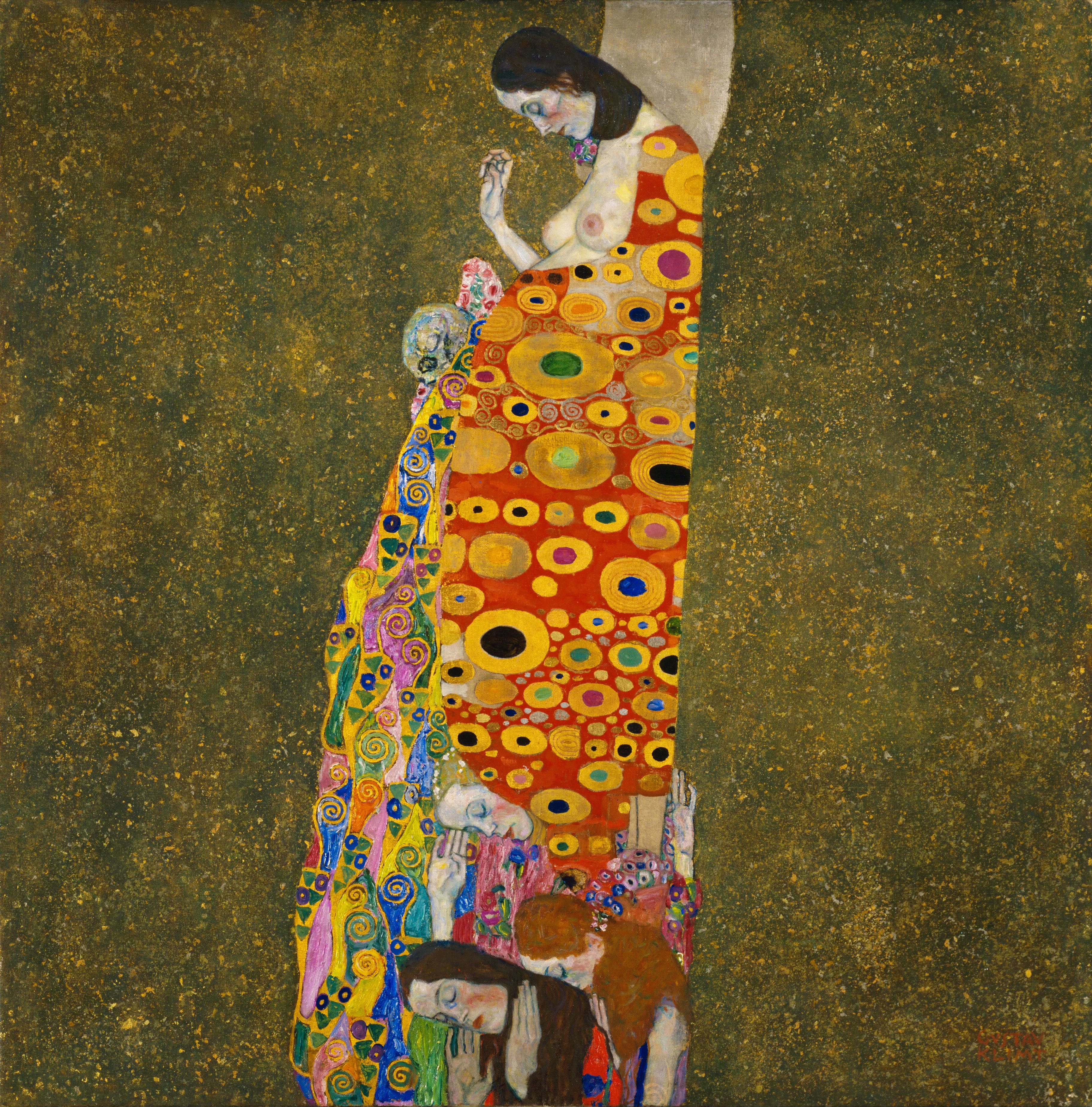
My daughter entered our family the week my father died.
I suspected I was pregnant before then, though I never bought a test. The nausea started subtly, easy to blame on everything else that year. My father was diagnosed with terminal cancer only a few months before my wedding. “I’d give him four months, at most,” the doctor told us. What followed became competing to-do lists: the daily work of his decline, my move to Philadelphia, two bar exams in two different states, and flights home to Miami squeezed between exam prep and hospital visits. Oh, and the nausea.
Through it all, everything and everyone was bending toward the same impossible question: How much time remained?
He died. A week later, I confirmed I was pregnant.
At the funeral, my aunts kept saying I looked pale, and I let them believe it was grief. My daughter was already there, though none of us knew to look for her yet.
For years, those two facts lived in separate parts of my memory, two rooms in a house I never walked between. While we were preparing for one life to end, another had already begun, no larger than a seed. Only later did I understand they had always belonged to the same story.
My mother’s house gradually filled with a hoard of small things: a blanket folded over the arm of the couch, a pair of socks so small she couldn’t stop turning them over in her hands, laughing. She held up the light pink cardigan she’d once sewn for my own Cabbage Patch doll and wondered how it would fit her new grandchild.
None of us had met her. Still, she had a place among us.
An ultrasound photograph was passed around the dinner table like a family portrait. Someone started saving children’s books, wondering whether the baby would like the beach, or the mango trees that dropped fruit onto the grass every summer of my childhood. A cousin mailed a onesie two sizes too big, betting on a growth spurt that hadn’t happened yet.
As the pregnancy progressed, my husband and I kept trekking from Philly to Florida every chance we had. A couple of months before my due date, on one of those trips, we decided to spend a day at Disney World out near Orlando. We left in the early evening, a few hours into the drive my sister took over at the wheel, and not long after, one of the tires burst, even though my brother had them all checked the day before. The air was still warm, and my feet were swollen inside sandals that no longer fit right.
The car lurched sideways. I remember my sister fighting the wheel, the strange sensation of spinning across four lanes of traffic, empty in that moment as if they had already been cleared for us, without ever feeling the impact you know is coming. Then, somehow, we were still. The concrete barrier sat only a few feet from my window.
The highway patrol officer walked slowly around the car before looking back at us. “I usually see crashes like this from the other side,” he said. “The knock on the door, not the walk-away.” He shook his head. “You all are very lucky.” By the time the tow truck arrived, it was well after dark. The four of us squeezed into the tow truck’s front seat, knees knocking, as the car was hauled away, a dispatch radio crackling somewhere on the dash. Nobody spoke.
My mother has never called it luck. She believes in angels appointed over every person, guarding them by God’s command. Muslim scholars imagined four angels accompanying every human life: two recorded, two guarded. They stood between us and dangers we never knew existed, a reckless driver, or, one commentary says, an insect headed toward the ear. The angels step aside only when a person’s appointed hour has come.
Decades before the diagnosis, my father survived a crash of his own. His car flipped on one of those looping highway exit ramps and rolled into the grass median, and he walked out of it without a scratch, the car totaled beyond recognition. He rarely told the story himself. When it came up, it was almost in passing, the way someone mentions a flat tire.
How many dangers never become stories? A child pauses at the curb, and nothing happens. A flight lands safely and is forgotten within the hour. My husband was diagnosed with leukemia last year; by spring he was back on a ladder, changing the filters in our house, and no one thought to remark on it.
We live as though the absence of disaster does not require our attention. A story needs a wound, and danger that leaves no mark leaves no memory. The two angels who stand guard over each of us do their best work invisibly.
My father’s hour had come. Mine had not, and neither had my daughter’s.
Today, my daughter is grown. She has no memory of the grandfather who would have spoiled her, nothing of the highway where her own story might have ended before it had properly begun. She knows him only through the stories we’ve told her.
To her, belonging has always been a given. By the time she was born, it already was.
Beautiful. Thank you for sharing this.
such a poignant and moving essay