


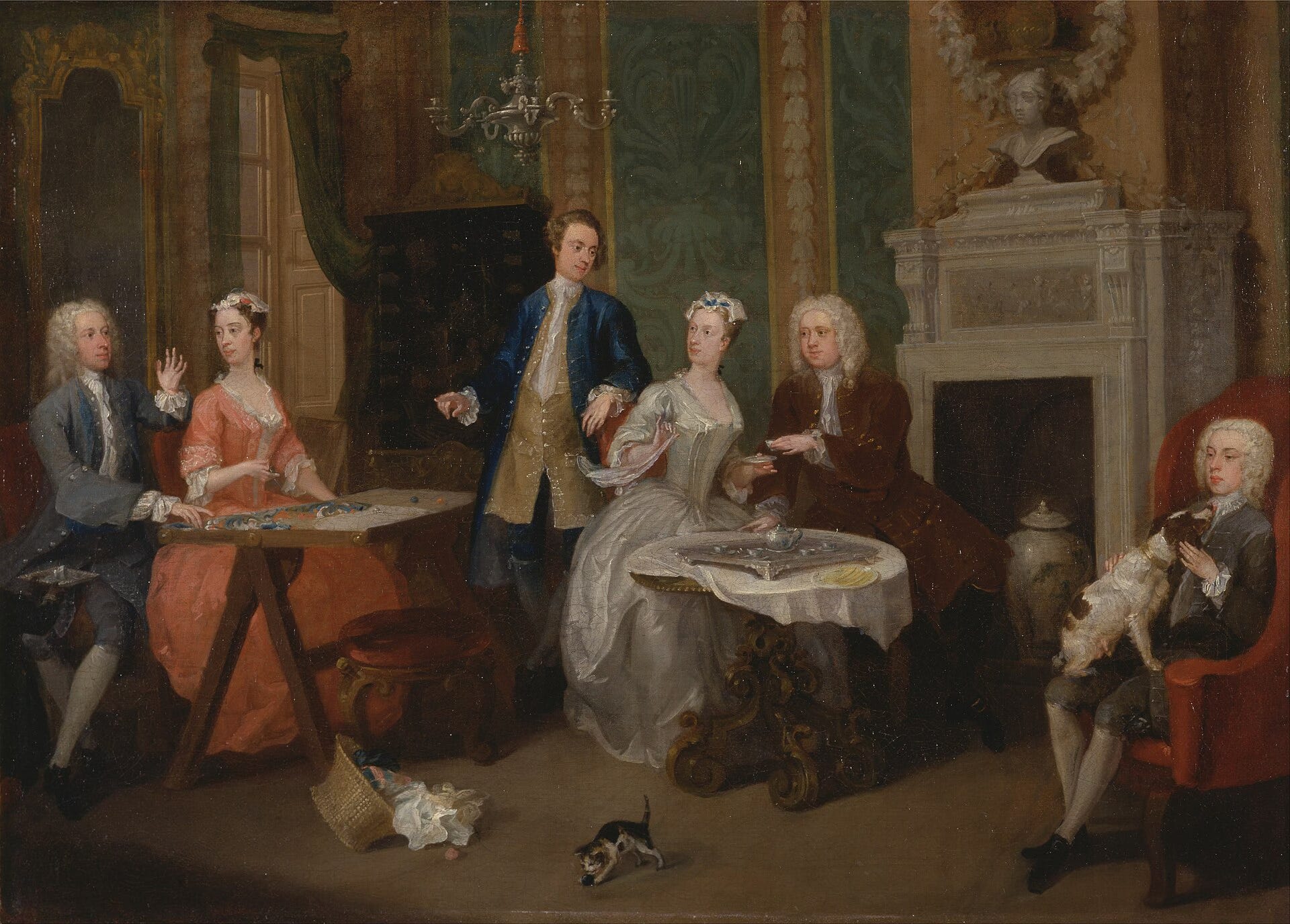
“Anything you say or do can be used in my Substack.”
It started as a joke, something to deflate the tension of my phone appearing mid-conversation, of me scanning the room for sentences before anyone else had finished theirs. My kids said it to tease me. They still do. It has become our shorthand for what they already know: I am always half somewhere else, half inside the sentence I’m writing about them.
At first, I believed I was writing about my life. Now I’m not so sure. Now it feels like I am living my life in order to write about it.
Everything becomes potential material. Your daughter donates bone marrow, and you write an essay about divine order and cellular transformation. Your teenager screams in all caps over text, and you frame it as “The Wild Currents We Navigate.” Your husband’s illness becomes a newsletter called The Architecture of Care. Crisis as content, grief as genre.
I thought I was chronicling life. Maybe I was composing a version of it instead.
When I wrote about Zaynab’s graduation and bone marrow donation, eight days apart, I shaped it as a meditation on time, on what it means to come of age while simultaneously stepping into the hardest kind of adulthood. What I didn’t say—what I couldn’t say—was that it felt mostly like logistics. Phone calls and forms and everyone else waiting for me to coordinate schedules while they focused on meaning.
The meaning, I discovered, was mine to manufacture.
Some things don’t translate. Some truths resist curation. Family moments have jagged edges that tear through any container you try to build for them. Yet the digital attention economy whispers otherwise. Nothing has value, it insists, unless it can be shared, liked, commented upon. So, you learn to sand down the edges, to transform chaos into growth, to sculpt even private breakdowns into the kind of vulnerability that performs well online.
And readers respond. They praise “authenticity.” They say they feel seen. They tell you the story mattered. It does. But you know what they’re seeing is already shaped. The real argument, the real tears, cut in the edit room. The rawness exchanged for coherence.
I catch myself now in the act. Watching my daughter’s face crumple in disappointment while already composing the metaphor for teenage heartbreak. Feeling my husband’s hand, heavy in mine during a doctor’s visit, while cataloging its literary possibilities. I don’t know when I became this person, the one who experiences moments as quotable quotes.
Didion once wrote about keeping notebooks to remember “what it was to be me.” I wonder if I am writing to remember what it was to be us. Or if I am writing instead to create an “us” for public consumption.
I tell myself most of life still escapes the lens: the silent mornings, the jokes we never explain, the fights that reveal nothing profound. But I know the truth: the writer’s eye never fully closes. Some part of me is always standing slightly outside our life, taking notes.
And yet I can’t dismiss what this work does. The essay I wrote about caregiving—how invisible labor gnaws at your sense of self—drew dozens of messages from women who said they felt less alone. I gave language to what they had been carrying silently. That felt like purpose.
But I also made our suffering beautiful. I turned our chaos into art: water becoming steam, the weight of caregiving evaporating into something you could hold and admire. That is the trick, isn’t it? To make life feel meaningful rather than simply, relentlessly hard.
Maybe acknowledging this curation is itself a form of honesty. Maybe it’s the only kind available to those of us who turn private life into narrative. But even this confession becomes content, this critique becomes brand. The attempt to step outside the system becomes part of the system.
Perhaps the work is not to escape the contradiction, but to name it clearly. To honor both the service and the cost of making private life public.
After all, anything you say or do can be used in my Substack—including this confession about using everything in my Substack.