Welcome!
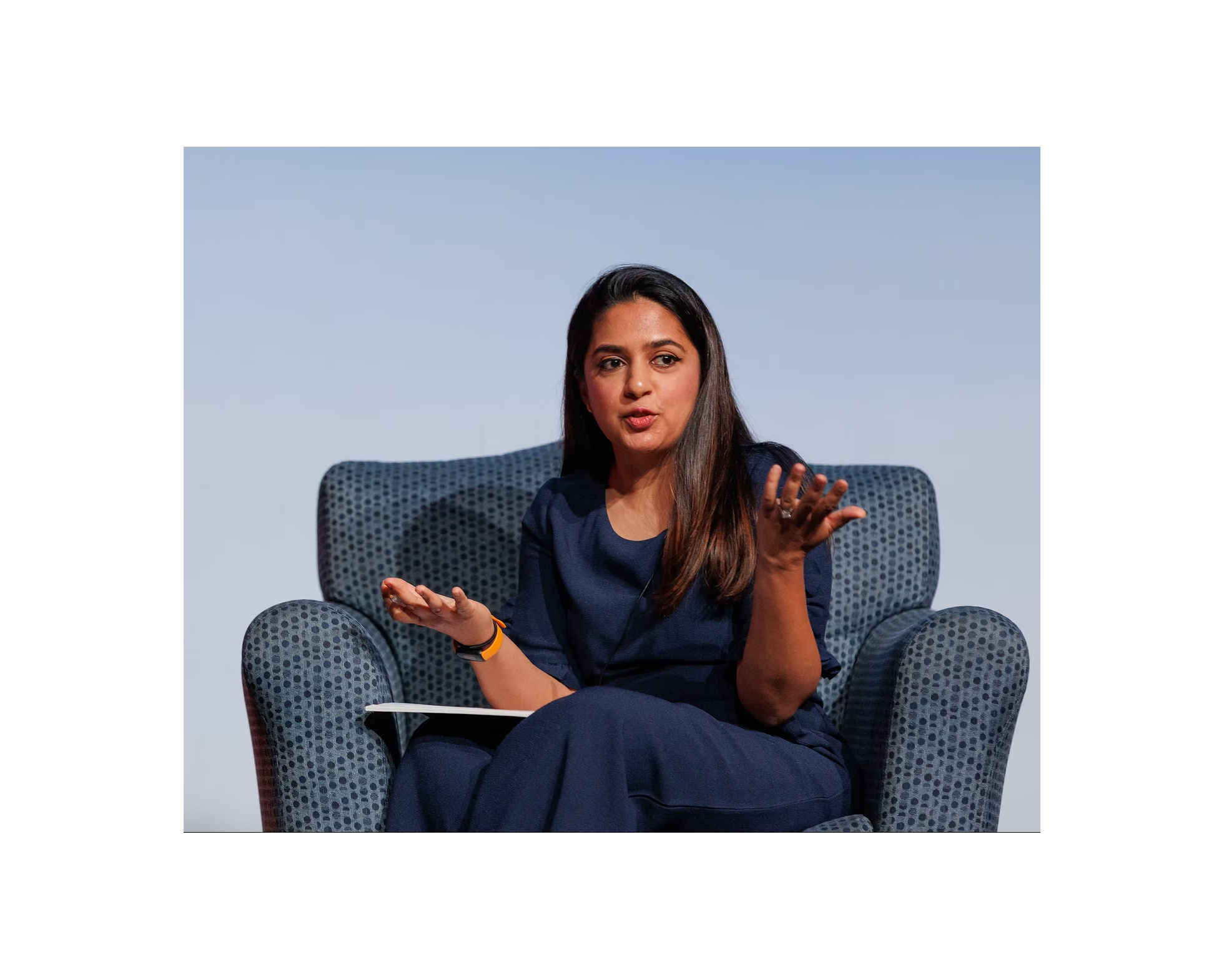
I came to this work through a simple question that turned out to be the hardest one in American law: Who counts as an American, and what do we owe each other once we’ve decided?
Most of our biggest fights, over religion and speech, over equal protection and bodily autonomy, over who gets to teach what to whose kids, are really arguments about belonging dressed up as legal technicalities. The rules matter. They’re where the real decisions get made, quietly, in language designed to keep most people out of the conversation.
That’s why I called this The Architecture of Rights. Rights are structures, not slogans. They have weight-bearing parts and ornamental ones, and the shifts that matter usually happen out of sight. I don’t think you should have to be a lawyer to see how the building actually stands up.
But belonging isn’t only decided in courtrooms and statutes. It’s also built, or worn down, in the smaller architecture of daily life: the friendships we let go slack, the obligations we take on for family, the ways we show up or don’t for the people around us. That’s what you’ll find in The Architecture of Care, a section of this publication where I write about those questions at a more personal register. Same question, different scale.
What a subscription gets you:
Balanced, nuanced takes on hot button human rights issues from a First Amendment expert and law professor
Clarity to hold your own when talk turns to free speech, religion, equality, or the Supreme Court
Twice monthly analysis - a little relief when you feel like the country is falling apart
Personal essays on the everyday work of belonging and obligation
No jargon. No panic. No ideological cheerleading. This is for people who want to understand the law, and the life around it, without being talked down to or whipped up.
About me
I’m a law professor and former First Amendment litigator. I teach Constitutional Law, the First Amendment, and International Human Rights Law, and I serve as a fellow at two Washington, D.C.-based think tanks, the Aspen Institute and Freedom Forum.
I’m also the author of two books. When Islam Is Not a Religion examines how legal and political actors have sought to place Islam outside the protections of the First Amendment. The Politics of Vulnerability asks why people who prize their own freedom so often want to deny it to others. The questions at the heart of both, about who belongs and what we owe each other, continue to shape my work here, in the legal analysis and in The Architecture of Care alike.
The personal essay writing comes out of the other side of my life: twenty years of marriage, raising three kids, losing my dad to terminal cancer, caregiving for my husband through his own battle with cancer, and all the accidents of hospitality and grief and luck that make up a family and a community. I write about that with the same attention I bring to a legal brief, because I think the small obligations we take on for each other are where “what we owe each other” actually gets tested.